Academic Company Events NI Developer Zone Support Solutions Products & Services Contact NI MyNI

Document Type: Tutorial
NI Supported: Yes
Publish Date: Dec 2, 2008


Feedback


Yes No

Related Categories

Related Links - Developer Zone

Related Links - Products and Services

History of GPIB

161 ratings | 3.63 out of 5
Read in | Print | PDF

Overview

This document gives a brief history of the origins of GPIB. It also includes some general information for GPIB-related hardware and software. There are many getting started links available as well.

History of GPIB

The original GPIB was developed in the late 1960s by Hewlett-Packard (where it is called the HP-IB) to connect and control programmable instruments that Hewlett-Packard manufactured. With the introduction of digital controllers and programmable test equipment, the need arose for a standard, high-speed interface for communication between instruments and controllers from various vendors. In 1975, the Institute of Electrical and Electronic Engineers (IEEE) published ANSI/IEEE Standard 488-1975, IEEE Standard Digital Interface for Programmable Instrumentation, which contained the electrical, mechanical, and functional specifications of an interfacing system. The original IEEE 488-1975 was revised in 1978, primarily for editorial clarification and addendum. This bus is now used worldwide and is known by three names:

  • General Purpose Interface Bus (GPIB)
  • Hewlett-Packard Interface Bus (HP-IB)
  • IEEE 488 Bus

Because the original IEEE 488 document contained no guidelines for a preferred syntax and format conventions, work continued on the specification to enhance system compatibility and configurability among test systems. This work resulted in a supplement standard, IEEE 488.2, Codes, Formats, Protocols, and Common Commands, for use with IEEE 488 (which was renamed IEEE 488.1). IEEE 488.2 does not replace IEEE 488.1. Many devices still conform only to IEEE 488.1. IEEE 488.2 builds on IEEE 488.1 by defining a minimum set of device interface capabilities, a common set of data codes and formats, a device message protocol, a generic set of commonly needed device commands, and a new status reporting model.

In 1990, the IEEE 488.2 specification included the Standard Commands for Programmable Instrumentation (SCPI) document. SCPI defines specific commands that each instrument class (which usually includes instruments from various vendors) must obey. Thus, SCPI guarantees complete system compatibility and configurability among these instruments. It is no longer necessary to learn a different command set for each instrument in an SCPI-compliant system, and it is easy to replace an instrument from one vendor with an instrument from another.


History of National Instruments GPIB Products


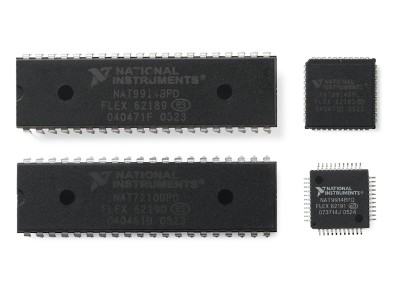
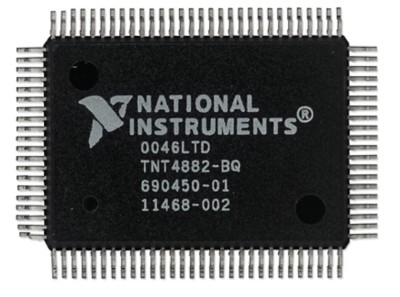
National Instruments was founded in 1976, and was dedicated to producing software and hardware compatible with the IEEE Standard 488-1975. In 1977, NI released its first GPIB interface for the DEC-PDP-11. Since then NI has developed GPIB interfaces for a wide variety of minicomputers, microcomputers, and workstations. NI also has developed its own IEEE 488.2-compatible controller chip set that sets the standard for GPIB performance. In addition to developing a variety of GPIB hardware solutions, NI has extensive software solutions for a wide range of applications. Today, NI has established itself as a leader in GPIB interfaces and software. The figure below shows the timeline of the NI GPIB interface development.


National Instruments GPIB Innovations

Hardware and Software Options


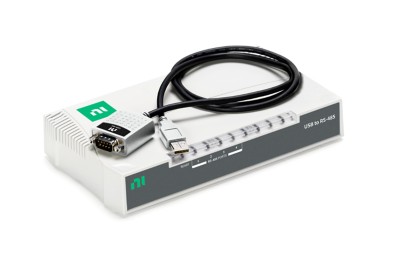
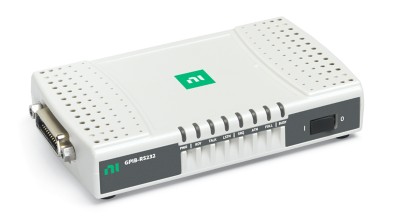
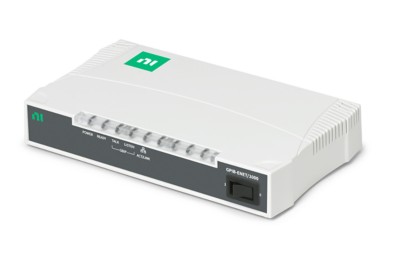
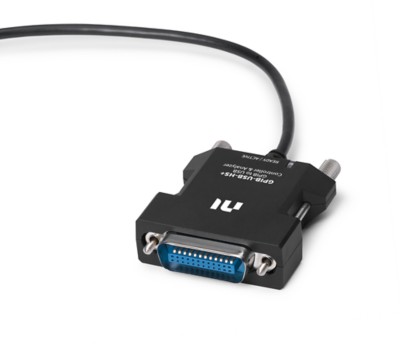
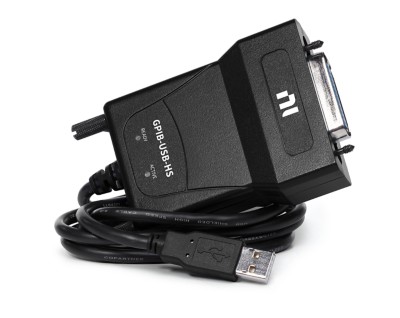
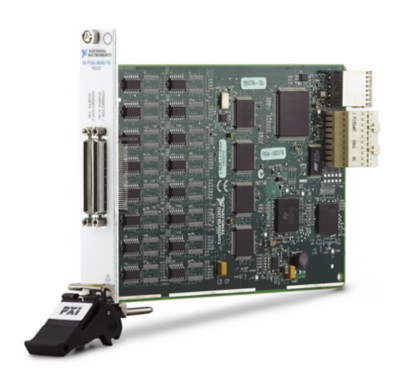
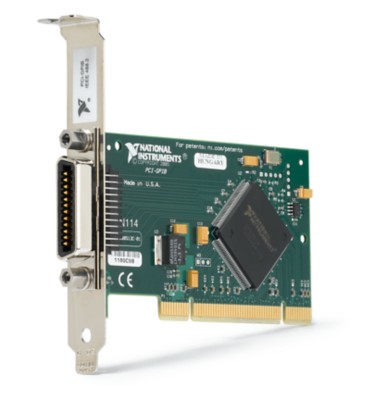
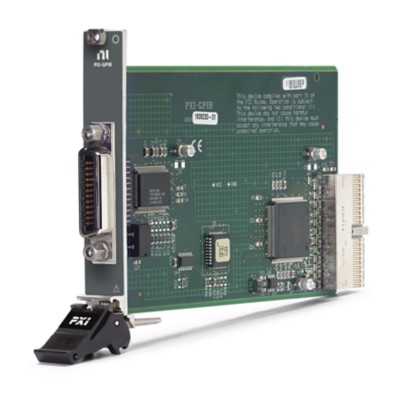
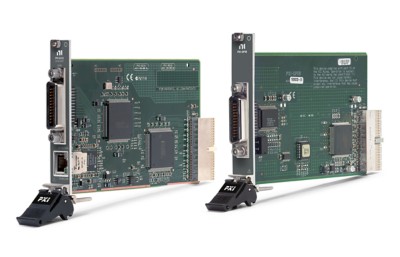
There are many hardware options available: 

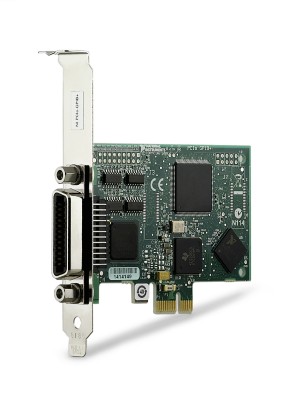
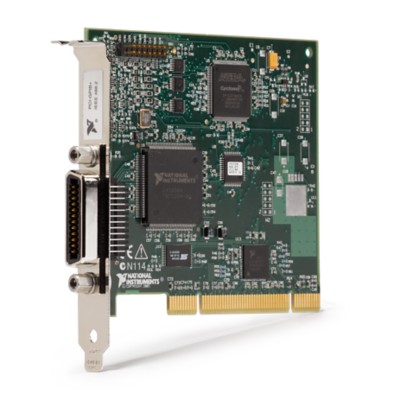
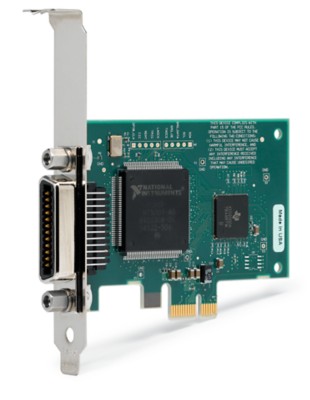
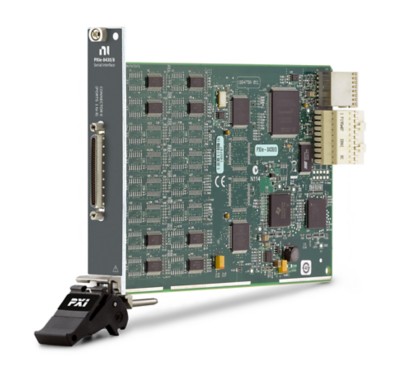
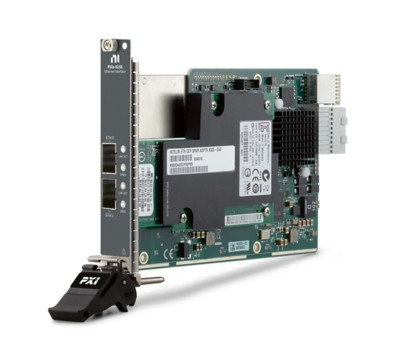
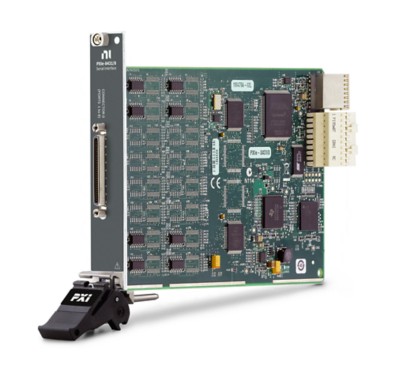
  • Plug-In Controllers
  • External Controllers
  • Support Products

For more information on GPIB hardware, please reference the Products & Services: GPIB (IEEE 488) Solutions Web site.


GPIB hardware requires the NI-488.2 software. This software is available for multiple operating systems. 

  • Windows
  • Real-Time
  • Linux
  • Macintosh
  • Solaris

For more information on compatibility of the operating system, hardware, and software version, please reference the following links: 

Developer Zone Tutorial: GPIB Driver Versions for Microsoft Windows and DOS

Developer Zone Tutorial: GPIB Driver Versions for non-Microsoft Operating Systems


Getting Started Links


Developer Zone Tutorial: GPIB Instrument Control Tutorial

Developer Zone Tutorial: GPIB Hardware and Software Specifications

Developer Zone Tutorial: GPIB Messages

Developer Zone Tutorial: Instrument Control in LabWindows/CVI Tutorial

Developer Zone Tutorial: Instrument Control in LabVIEW Tutorial

Developer Zone Tutorial: Find the Right GPIB Interface for Your Application

Developer Zone Tutorial: GPIB Controllers

Developer Zone Tutorial: GPIB Language Interfaces

KnowledgeBase 0GNITS136: NI-488.2 Language Interfaces Are Not Compatible with NI-488.1 Drivers


161 ratings | 3.63 out of 5
Read in | Print | PDF

Reader Comments | Submit a comment »

produkt overview
It would be handy to have a link to a page that gives an overview on which NI products does support IEEE488.1 or IEEE488.2 and have drivers on platform X. The first reason because I visited this page is that what are the differences, but second I want to know what hardware does support it and which platform.
- Ronald van Waard, TNO. r.r.h.vanwaard@fel.tno.nl - Oct 4, 2004


Legal
This tutorial (this "tutorial") was developed by National Instruments ("NI"). Although technical support of this tutorial may be made available by National Instruments, the content in this tutorial may not be completely tested and verified, and NI does not guarantee its quality in any way or that NI will continue to support this content with each new revision of related products and drivers. THIS TUTORIAL IS PROVIDED "AS IS" WITHOUT WARRANTY OF ANY KIND AND SUBJECT TO CERTAIN RESTRICTIONS AS MORE SPECIFICALLY SET FORTH IN NI.COM'S TERMS OF USE (http://ni.com/legal/termsofuse/unitedstates/us/).