
Considerations for 802.11ax Device Testing: High Efficiency Wireless Testing
In this presentation, we will provide an introduction to the new features of 802.11ax, compare the standard to 802.11ac, and explain the challenges for RF test.
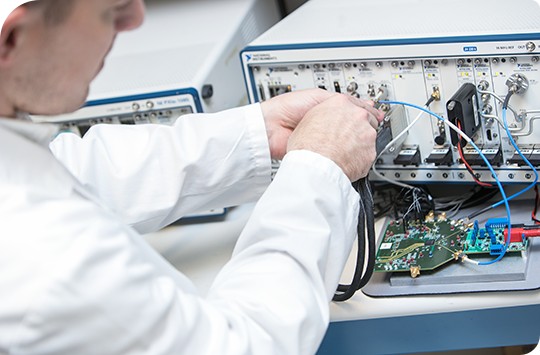
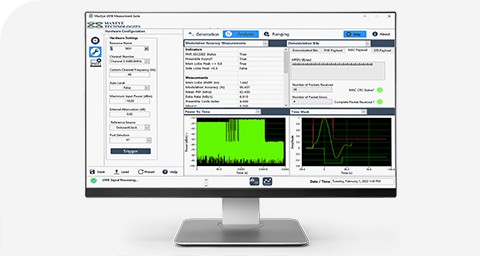
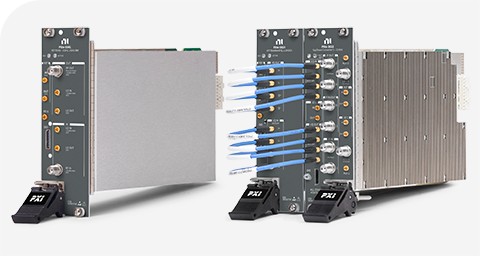
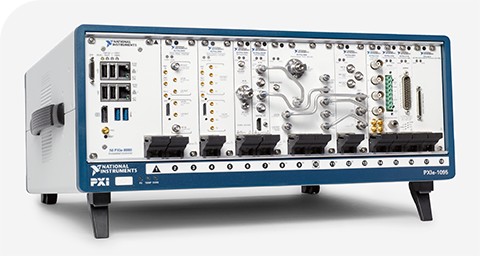
NI offers streamlined wireless connectivity test solutions that can combine several standards on one bench, from interactive bring-up to automated characterization. Scalable to meet your needs, choose from a range of RF instrumentation from Baseband to mmWave and combine with analog, digital, and many other instruments to create exactly the test bench needed. A software-connected approach and various application software to test IEEE standards can round out a versatile and technically capable system able to test and validate a wide range of standards and device types.
FEATURED SOLUTION
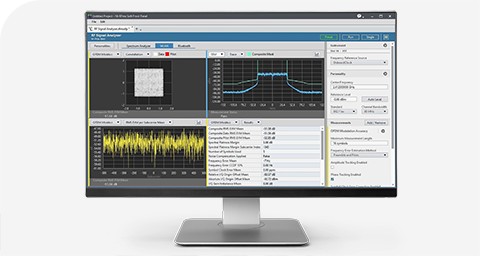
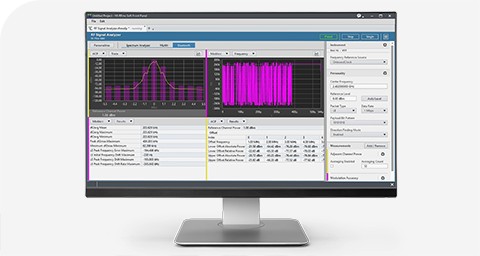
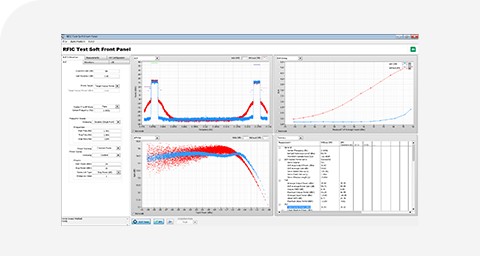
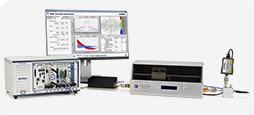
Expedite wideband WLAN, UWB, and Bluetooth RF front-end bring-up, debug, and validation with NI’s powerful combination of application software and PXI instrumentation. Control DC, digital, and RF instruments with an easy-to-use GUI—no programming required. Evaluate critical RF amplifier parameters including linearity, output power, and modulation quality while running the latest linearization algorithms.

The NI Partner Network is a global community of domain, application, and test experts working with NI to meet your needs. NI Partners are trusted solution providers, systems integrators, consultants, product developers, and services- and sales-channel experts skilled in a range of industry and application areas.

An NI Partner is a business entity independent from NI and has no agency or joint-venture relationship and does not form part of any business associations with NI.