Conformal Coating and NI RIO Products
Overview
This paper provides a brief introduction to Conformal Coating benefits and use cases. It also discusses the ELPEGUARD SL 1307 FLZ coating created by Lackwerke Peters that is available on some NI RIO products.
Conformal Coating
Conformal coatings are specially formulated thin film materials that are applied directly to circuit boards or circuit card assemblies (CCAs). These films provide environmental protection for components and circuitry. The thin film materials used for conformal coating are normally applied using a process of dipping or spraying the CCA with a liquid or resinous material. As the material dries, it forms a resilient coating that can protect against moisture, mold, dust, corrosion and other environmental stresses.
Condensation
Condensation can occur when the outside air temperature increases at a faster rate than the electronics. If the temperature of the electronics reaches the dew point, condensation will occur. The higher the relative humidity, the closer the dew point is to the current temperature. This scenario could occur if a product was stored in a vehicle over night. When the outside air heats up, there is a potential for the electronics to reach their dew point. This occurs on the aluminum enclosures due to the thermal capacitance of aluminum. Once condensation forms on the enclosure, there is a higher probability of shorts on the CCA.
The application of a conformal coating prevents condensation from making contact with traces, vias, and integrated circuits (IC’s) on CCAs. This prevents the formation of corrosion and shorting on these components after exposure to condensation. Connectors do not benefit from the conformal coating, so corrosion could still occur at the connectors. The conformal coating is intended to extend the life of the product by protecting the traces, vias, and fine pitch IC’s, but it does not eliminate all environmental risk associated with the connectors.
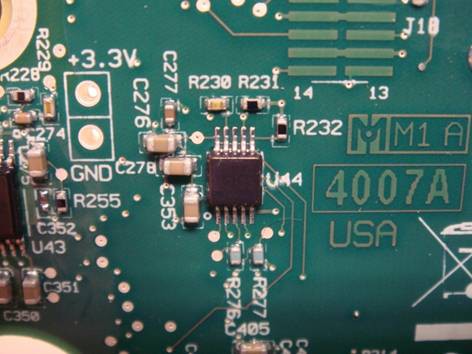
Figure 1. Conformal coated CCA shows no corrosion after exposure to condensation
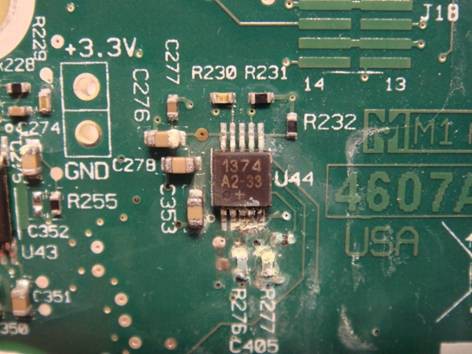
Figure 2. Corrosion has occurred on the uncoated CCA after exposure to condensation
To minimize corrosion on connectors, NI recommends the following tips:
- Mount the system in horizontal orientation, with the I/O connectors facing forward. This allows condensation to run off the CCA’s and not to pool up in the connectors.
- Do not create any drip lines with cabling. All cables should be routed down, so any condensation that occurs on the cable will not be channeled into the connector or product.
- Ensure the electronics are not in other drip lines
- To help protect backplane connectors, use a filler module or dust cover in any empty slot.
NI uses ELPEGUARD SL 1307 FLZ to provide environmental protection for certain products. This modified acrylic resin is manufactured by Lackwerke Peters (see manufacturers datasheet for technical specifications).
ELPEGUARD SL 1307 FLZ has been approved as a conformal coating by UL under QMJU2.E80315. Additionally, NI has tested the conformal coated products for the following environmental specification.
Environmental
Operating humidity
(IEC 60068-2-30 Test Db)……………….80 to 100% RH, condensing
Additional test reports and datasheets on the coating material, ELPEGUARD SL 1307 FLZ, are available in the Developer Zone. These tests were not performed on NI products, they are provided to reference the properties of the conformal coating.
Products Available with Conformal Coating
The table below shows the CompactDAQ and CompactRIO modules available with conformal coating.
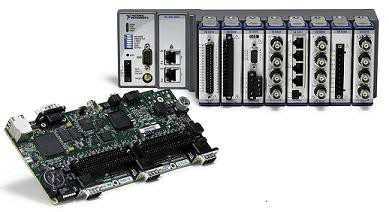
Figure 3. CompactRIO Packaged and Single-Board RIO Board-Level Systems
Module Number | Description |
|---|
| C Series CAN Interface Module | |
|---|---|
| NI 9853 | 2-Port, High-Speed C Series CAN Interface Module |
| C Series CANopen Interface Module | |
| NI 9881 | 1-Port C Series CANopen Interface Module |
| C Series Counter Input Module | |
| NI 9361 | 32-Bit, 8-Channel C Series Counter Input Module |
| NI 9203 | 200 kS/s, ±20 mA, 8-Channel C Series Current Input Module |
| NI 9208 | 500 S/s, ±20 mA, 16-Channel C Series Current Input Module |
| NI 9227 | 300 Vrms, 50 kS/s/ch, 24-Bit, Simultaneous Input, 3-Channel C Series Voltage Input Module |
| NI 9253 | 50 kS/s/ch, ±20 mA, 24-Bit, 8-Channel C Series Current Input Module |
| C Series Current Output Module | |
| NI 9265 | 4-Channel C Series Current Output Module |
| NI 9266 | 8-Channel C Series Current Output Module |
| C Series Digital Module | |
| NI 9375 | 30 V, 32-Channel (Sinking Input, Sourcing Output), 7 µs (Input)/500 µs (Output) C Series Digital Module |
| NI 9401 | 5 V/TTL, 8 Bidirectional Channels, 100 ns C Series Digital Module |
| NI 9403 | 5 V/TTL, 32 Bidirectional Channels, 7 µs C Series Digital Module |
| NI 9411 | ±5 V to 24 V, 6 Differential/Single-Ended Channels, 500 ns C Series Digital Module |
| NI 9421 | 24 V, 8-Channel (Sinking Input), 100 µs C Series Digital Module |
| NI 9425 | 24 V, 32-Channel (Sinking Input), 7 µs C Series Digital Module |
| NI 9426 | 24 V, 32 Channel (Sourcing Input), 7 µs C Series Digital Module |
| NI 9437 | 24 VDC to 250 VDC, 8-Channel (Sinking Input), 1 µs C Series Digital Module |
| NI 9470 | 5 VDC to 30 VDC, 8-Channel (Sourcing Output), 2 kHz C Series Digital Module |
| NI 9472 | 24 V, 8-Channel (Sourcing Output), 100 µs C Series Digital Module |
| NI 9475 | 60 V, 8-Channel (Sourcing Output), 1 µs C Series Digital Module |
| NI 9476 | 36 V, 32-Channel (Sourcing Output), 500 µs C Series Digital Module |
| NI 9477 | 60 V, 32-Channel (Sinking Output), 8 µs C Series Digital Module |
| NI 9478 | 50 V, 16-Channel (Sinking Output), 50 µs C Series Digital Module |
| C Series Frequency Input Module | |
| NI 9326 | 6-Channel, 150 V, 128 kHz C Series Frequency Input Module |
| C Series Multifunction I/O Module | |
| NI 9381 | 8 AI, 8 AO, 4 DIO, 0 V to 5 V, C Series Multifunction I/O Module |
| C Series Relay Output Module | |
| NI 9485 | 8-Channel, SSR Relay, 60 VDC/30 Vrms, 750 mA C Series Relay Output Module |
| C Series Serial Interface Module | |
| NI 9870 | 4-Port, RS232 C Series Serial Interface Module |
| NI 9871 | 4-Port, RS485/RS422 C Series Serial Interface Module |
| C Series Sound and Vibration Input Module | |
| NI 9230 | 3-Channel, 12.8 kS/s/channel, ±30 V, C Series Sound and Vibration Input Module |
| NI 9232 | 3-Channel, 102.4 kS/s/channel, ±30 V, C Series Sound and Vibration Input Module |
| NI 9234 | 4-Channel, 51.2 kS/s/channel, ±5 V, C Series Sound and Vibration Input Module |
| C Series Strain/Bridge Input Module | |
| NI 9236 | 10 kS/s/channel, 350 Ω Quarter-Bridge Strain Gage, 8-Channel C Series Strain/Bridge Input Module |
| NI 9237 | 50 kS/s/channel, Bridge Analog Input, 4-Channel C Series Strain/Bridge Input Module |
| C Series Universal Analog Input Module | |
| NI 9219 | 100 S/s/ch, 4-Channel C Series Universal Analog Input Module |
| C Series Vehicle Multiprotocol Interface Module | |
| NI 9860 | 2-Port, C Series Vehicle Multiprotocol Interface Module |
| C Series Voltage and Current Input Module | |
| NI 9207 | 500 S/s, 16-Channel C Series Voltage and Current Input Module |
| C Series Voltage Input Module | |
| NI 9202 | ±10 V, 10 kS/s, 24-Bit, 16-Channel C Series Voltage Input Module |
| NI 9205 | ±10 V, 250 kS/s, 16-Bit, 32-Channel C Series Voltage Input Module |
| NI 9220 | ±10 V, 100 kS/s/ch, 16-Bit, Simultaneous Input, 16-Channel C Series Voltage Input Module |
| NI 9221 | ±60 V, 800 kS/s, 12-Bit, 8-Channel C Series Voltage Input Module |
| NI 9225 | 300 Vrms, 50 kS/s/ch, 24-Bit, Simultaneous Input, 3-Channel C Series Voltage Input Module |
| NI 9228 | ±60 V, 1 kS/s/ch, 24-Bit, Simultaneous Input, 8-Channel C Series Voltage Input Module |
| NI 9229 | ±60 V, 50 kS/s/ch, 24-Bit, Simultaneous Input, 4-Channel C Series Voltage Module |
| NI 9239 | ±10 V, 50 kS/s/ch, 24-Bit, Simultaneous Input, 4-Channel C Series Voltage Input Module |
| C Series Voltage Output Module | |
| NI 9262 | 1 MS/s/ch Simultaneous, ±10 V, 6-Channel C Series Voltage Output Module |
| NI 9264 | 25 kS/s/ch Simultaneous, ±10 V, 16-Channel C Series Voltage Output Module DSUB |
| NI 9264 | 25 kS/s/ch Simultaneous, ±10 V, 16-Channel C Series Voltage Output Module Spring Terminal |
| NI 9269 | 100 kS/s/ch Simultaneous, ±10 V, Isolated, 4-Channel C Series Voltage Output Module |
| CompactRIO Controller | |
| cRIO-9038 | 1.33 GHz Dual-Core CPU, 2 GB DRAM, 8 GB Storage, Kintex-7 160T FPGA, and Extended Temperature, 8-Slot CompactRIO Controller |
| cRIO-9042 | 1.60 GHz Quad-Core CPU, 4 GB DRAM, 4 GB Storage, -40 °C to 70 °C, Kintex-7 70T FPGA, 4-Slot CompactRIO Controller |
| cRIO-9043 | 1.30 GHz Dual-Core CPU, 2 GB DRAM, 8 GB Storage, -40 °C to 70 °C, Kintex-7 160T FPGA, 4-Slot CompactRIO Controller |
| cRIO-9047 | 1.60 GHz Quad-Core CPU, 4 GB Storage, -40 °C to 70 °C, Kintex-7 70T FPGA, 8-Slot CompactRIO Controller |
| cRIO-9048 | 1.30 GHz Dual-Core CPU, 2 GB DRAM, 8 GB Storage, -40 °C to 70 °C, Kintex-7 160T FPGA, 8-Slot CompactRIO Controller |
| cRIO-9058 | 1.33 GHz Dual-Core CPU, 2 GB DRAM, 4 GB Storage, -40 °C to 70 °C, Artix-7 A100T FPGA, Extended Temperature, 8-Slot CompactRIO Controller |
| cRIO-9065 | 667 MHz Dual-Core CPU, 512 MB DRAM, 1 GB Storage, Zynq-7020 FPGA, Extended Temperature, 4-Slot CompactRIO Controller |
| cRIO-9068 | 667 MHz Dual-Core CPU, 512 MB DRAM, 1 GB Storage, Zynq-7020 FPGA, Extended Temperature, 8-Slot CompactRIO Controller |
| CompactRIO Chassis | |
| cRIO 9113 | 4-Slot, Virtex-5 LX50 FPGA CompactRIO Chassis (Legacy) |
| cRIO-9114 | 8-Slot, Virtex-5 LX50 FPGA CompactRIO Chassis (Legacy) |
| cRIO-9118 | 8-Slot, Virtex-5 LX110 FPGA CompactRIO Chassis (Legacy) |
| NI-9147 | 4-Slot, Zynq-7020 FPGA, Ethernet CompactRIO Chassis |
| NI-9149 | 8-Slot, Zynq-7020 FPGA, Ethernet CompactRIO Chassis |
